


October 2026 Product
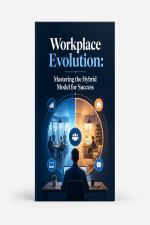
Workplace Evolution
Mastering the Hybrid Model for Success
The modern workplace is undergoing a significant transformation, driven by technological advancements, changing employee expectations, and the necessity for flexibility. This evolution has led to the rise of the hybrid work model, which incorporates both remote and in-office work. Understanding how to navigate and optimize this hybrid model is crucial for organizations aiming for success in this new landscape.
The Hybrid Work Model Explained
The hybrid work model is a flexible arrangement that allows employees to split their time between working in the office and working remotely. This model is not merely a response to the global shift towards remote work prompted by recent events, but rather a strategic approach to enhance productivity, employee satisfaction, and overall organizational efficiency.
Benefits of the Hybrid Model
Implementing a hybrid work model can yield numerous benefits for both employers and employees. Some of these advantages include:
- Enhanced Flexibility: Employees can choose where they work based on their personal preferences and task requirements, leading to increased job satisfaction.
- Improved Work-Life Balance: The hybrid model allows employees to better manage their personal and professional lives, reducing burnout and increasing overall well-being.
- Access to a Broader Talent Pool: Organizations can recruit talent from different geographical locations, not limited to those who can commute daily to a physical office.
- Cost Savings: Companies can reduce expenses related to office space and utilities, as fewer employees are present in the office at any given time.
Challenges of the Hybrid Model
While the hybrid work model presents numerous benefits, it is not without its challenges. Organizations must address potential obstacles to ensure a smooth implementation:
- Communication Gaps: Remote work can lead to misunderstandings and a lack of cohesion among team members, making effective communication essential.
- Technology Dependence: A reliance on technology for communication and collaboration necessitates robust systems and support to avoid disruptions.
- Performance Management: Assessing employee performance can become more complex when team members are working in different environments.
- Company Culture: Maintaining a strong organizational culture can be challenging in a hybrid model, requiring intentional efforts to foster inclusivity.
Strategies for Success in a Hybrid Model
To successfully implement a hybrid work model, organizations should consider the following strategies:
- Establish Clear Guidelines: Develop comprehensive policies outlining expectations regarding work hours, communication protocols, and performance assessments.
- Invest in Technology: Equip employees with the necessary tools and technology to facilitate collaboration, such as project management software and video conferencing tools.
- Foster Open Communication: Encourage transparent communication between team members and management to ensure everyone feels connected and informed.
- Prioritize Employee Well-Being: Implement programs and resources that support mental health and work-life balance, recognizing the unique challenges that hybrid workers may face.
- Regularly Evaluate the Model: Continuously assess the effectiveness of the hybrid model and be open to making adjustments based on employee feedback and organizational needs.
Conclusion
The evolution of the workplace towards a hybrid model presents both opportunities and challenges. By understanding the dynamics of this new working environment, organizations can develop strategies that not only enhance productivity but also promote employee satisfaction and retention. Embracing this change is not just beneficial; it is essential for organizations aiming to thrive in the future of work.
Access This eBook and a Growing Digital Product Library
This eBook is included with the Master Resale Rights Club membership. Members receive access to thousands of Master Resale Rights ebooks and digital resources, with new products being added to the library regularly.
Whether you are looking to:
- Resell digital products and keep 100% of the profits
- Build your own digital product collection
- Offer bonuses to your customers or subscribers
- Provide additional value to your membership site members
our growing library can help you expand your content offerings without creating everything from scratch.
Premium Membership
Get instant access to this eBook plus 3500+ digital products for a single low yearly fee.
Join Membership – $37 / YearFree Membership
Want to explore the library first? Join our free membership and receive a selection of complimentary MRR ebooks while staying informed about new product additions.
Create Free AccountFranchisee Access
Website owners and platform builders can offer products from our library directly on their own websites through our API-powered Franchisee program, without manually downloading, uploading, or managing files.
Explore Franchisee Access – $25 / MonthNot sure which option is right? Membership is ideal for individuals and resellers. Franchisee access is designed for website owners and businesses.
Product Generation Note: This eBook was researched and drafted using advanced Artificial Intelligence (AI) and curated by the Master Resale Rights Club editorial team. We use AI to provide our members with the most current 2026 market insights and high-frequency content updates while maintaining our standard of quality.