


November 2026 Product
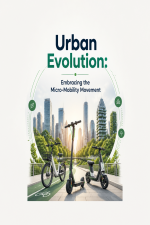
Urban Evolution: Embracing the Micro-Mobility Movement
The rapid growth of urban populations has necessitated a reevaluation of transportation methods within cities. As urban areas become increasingly congested, the need for efficient, sustainable, and user-friendly transportation solutions has never been more critical. One of the most significant trends shaping urban transportation is the emergence of micro-mobility. This concept encompasses a variety of small, lightweight vehicles, including bicycles, e-scooters, and electric skateboards, which provide flexible and efficient alternatives to traditional modes of transport.
Understanding Micro-Mobility
Micro-mobility refers to transportation options that are typically characterized by their small size and low energy consumption. These modes of transportation are designed to facilitate short to medium-distance travel, making them ideal for urban environments. As cities strive to enhance mobility and reduce environmental impacts, micro-mobility has gained traction as an effective solution.
The Benefits of Micro-Mobility
Micro-mobility offers numerous benefits that contribute to the evolution of urban transportation:
- Reduced Traffic Congestion: By providing alternatives to cars, micro-mobility can alleviate pressure on crowded streets, making urban areas more navigable.
- Lower Environmental Impact: Many micro-mobility options are electric or human-powered, resulting in reduced greenhouse gas emissions compared to traditional vehicles.
- Cost-Effectiveness: Users can save on fuel and parking costs, making micro-mobility an economical choice for daily commutes.
- Health Benefits: Active forms of micro-mobility, such as cycling and walking, promote physical health and well-being.
- Increased Accessibility: Micro-mobility solutions can enhance access to public transportation, bridging gaps between transit stops and users' final destinations.
Challenges to Adoption
Despite its advantages, the integration of micro-mobility into existing urban infrastructure is not without challenges. Some of the key obstacles include:
- Regulatory Hurdles: Many cities are still developing regulations that govern the use of e-scooters and other micro-mobility devices, which can create uncertainty for users and providers alike.
- Safety Concerns: The rapid increase in micro-mobility users can lead to safety issues, particularly in cities that have not adapted their infrastructure to accommodate these vehicles.
- Infrastructure Limitations: Many urban areas require significant improvements to accommodate micro-mobility options safely, including dedicated lanes and parking spaces.
- Public Perception: There may be resistance from traditional transportation advocates who view micro-mobility as a threat to established systems.
Future of Micro-Mobility in Urban Settings
The future of micro-mobility appears promising as cities continue to explore innovative solutions for sustainable transportation. Urban planners and policymakers are increasingly recognizing the potential of micro-mobility to complement existing systems and meet evolving transportation needs. As cities invest in infrastructure improvements, such as bike lanes and charging stations, the adoption of micro-mobility is likely to increase.
Moreover, advancements in technology, including smart city initiatives, will facilitate better integration of micro-mobility options into urban transportation networks. These developments may help address safety concerns and enhance user experiences, ultimately leading to greater acceptance among the public.
Conclusion
In conclusion, micro-mobility represents a significant shift in urban transportation dynamics. As cities globally face challenges related to congestion, pollution, and accessibility, embracing micro-mobility can provide viable solutions. By understanding its benefits, addressing the challenges, and fostering a supportive environment, urban areas can evolve to become more sustainable and user-friendly, paving the way for a new era of transportation.
Access This eBook and a Growing Digital Product Library
This eBook is included with the Master Resale Rights Club membership. Members receive access to thousands of Master Resale Rights ebooks and digital resources, with new products being added to the library regularly.
Whether you are looking to:
- Resell digital products and keep 100% of the profits
- Build your own digital product collection
- Offer bonuses to your customers or subscribers
- Provide additional value to your membership site members
our growing library can help you expand your content offerings without creating everything from scratch.
Premium Membership
Get instant access to this eBook plus 3800+ digital products for a single low yearly fee.
Join Membership – $37 / YearFree Membership
Want to explore the library first? Join our free membership and receive a selection of complimentary MRR ebooks while staying informed about new product additions.
Create Free AccountFranchisee Access
Website owners and platform builders can offer products from our library directly on their own websites through our API-powered Franchisee program, without manually downloading, uploading, or managing files.
Explore Franchisee Access – $25 / MonthNot sure which option is right? Membership is ideal for individuals and resellers. Franchisee access is designed for website owners and businesses.
Product Generation Note: This eBook was researched and drafted using advanced Artificial Intelligence (AI) and curated by the Master Resale Rights Club editorial team. We use AI to provide our members with the most current 2026 market insights and high-frequency content updates while maintaining our standard of quality.