


August 2026 Product
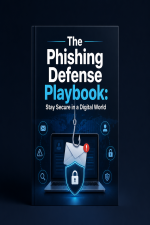
The Phishing Defense Playbook
Stay Secure in a Digital World
In an era where digital communication is an integral part of our daily lives, understanding the threats posed by phishing attacks is essential for maintaining security. Phishing, a form of cybercrime where attackers deceive individuals into providing sensitive information, has evolved significantly over the years. This eBook, "The Phishing Defense Playbook," offers comprehensive strategies and actionable insights to help individuals and organizations safeguard their digital identities against these prevalent threats.
Understanding Phishing
Phishing attacks can take various forms, each designed to exploit human psychology and technological vulnerabilities. Typically, these attacks involve fraudulent emails, messages, or websites that appear legitimate but aim to trick recipients into divulging personal or financial information. The following are common types of phishing:
- Email Phishing: The most common method, where attackers send emails that appear to come from reputable sources.
- Spear Phishing: Targeted attacks directed at specific individuals or organizations, often using personal information to enhance credibility.
- Whaling: A sophisticated form of spear phishing targeting high-profile individuals such as executives.
- Vishing: Voice phishing, where attackers use phone calls to extract information.
- Smishing: SMS phishing, involving deceptive text messages to lure victims into providing sensitive data.
Recognizing Phishing Attempts
Awareness is the first line of defense against phishing. Recognizing the signs of a phishing attempt can significantly reduce the risk of falling victim to these scams. Here are key indicators to watch for:
- Unusual Sender Addresses: Always verify the sender's email address, as attackers often use addresses that closely mimic legitimate ones.
- Urgent Language: Phishing emails frequently create a sense of urgency, pressuring recipients to act quickly without thinking.
- Generic Greetings: Legitimate organizations typically address recipients by name, while phishing attempts often use generic greetings.
- Suspicious Links and Attachments: Hover over links to reveal their true destination and avoid clicking on unexpected attachments.
- Requests for Personal Information: Legitimate organizations will never ask for sensitive information via email.
Strategies for Phishing Defense
Implementing effective strategies is crucial for defending against phishing attacks. Here are some best practices to consider:
- Educate Yourself and Others: Regularly educate yourself and your team about the latest phishing tactics and preventive measures.
- Utilize Multi-Factor Authentication (MFA): Enable MFA wherever possible to add an extra layer of security beyond just passwords.
- Use Anti-Phishing Tools: Employ email filtering and anti-virus software that can detect and block phishing attempts.
- Verify Requests: Always verify requests for sensitive information by contacting the organization directly through official channels.
- Regularly Update Passwords: Change passwords regularly and avoid using the same password across multiple sites.
Responding to Phishing Incidents
In the unfortunate event of a phishing attack, knowing how to respond can mitigate potential damage. Follow these steps:
- Report the Incident: Notify your IT department or security team if you believe you have been targeted.
- Change Your Passwords: Immediately change passwords for compromised accounts and enable MFA if not already active.
- Monitor Accounts: Keep an eye on financial accounts and credit reports for any unauthorized activity.
- Educate Peers: Share your experience with colleagues to help raise awareness and prevent future incidents.
Conclusion
Phishing remains a significant threat in today’s digital landscape, but understanding the nature of these attacks and implementing robust defensive strategies can help protect personal and organizational information. "The Phishing Defense Playbook" serves as a vital resource for anyone seeking to enhance their cybersecurity posture and navigate the complexities of phishing in a digital world. By staying informed and vigilant, individuals can greatly reduce their risk of falling victim to these malicious schemes.
Access This eBook and a Growing Digital Product Library
This eBook is included with the Master Resale Rights Club membership. Members receive access to thousands of Master Resale Rights ebooks and digital resources, with new products being added to the library regularly.
Whether you are looking to:
- Resell digital products and keep 100% of the profits
- Build your own digital product collection
- Offer bonuses to your customers or subscribers
- Provide additional value to your membership site members
our growing library can help you expand your content offerings without creating everything from scratch.
Premium Membership
Get instant access to this eBook plus 3600+ digital products for a single low yearly fee.
Join Membership – $37 / YearFree Membership
Want to explore the library first? Join our free membership and receive a selection of complimentary MRR ebooks while staying informed about new product additions.
Create Free AccountFranchisee Access
Website owners and platform builders can offer products from our library directly on their own websites through our API-powered Franchisee program, without manually downloading, uploading, or managing files.
Explore Franchisee Access – $25 / MonthNot sure which option is right? Membership is ideal for individuals and resellers. Franchisee access is designed for website owners and businesses.
Product Generation Note: This eBook was researched and drafted using advanced Artificial Intelligence (AI) and curated by the Master Resale Rights Club editorial team. We use AI to provide our members with the most current 2026 market insights and high-frequency content updates while maintaining our standard of quality.