


October 2026 Product
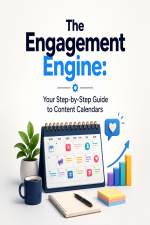
The Engagement Engine
Your Step-by-Step Guide to Content Calendars
In today's fast-paced digital landscape, effective content management is crucial for achieving sustainable engagement. "The Engagement Engine" serves as a comprehensive resource for individuals and organizations aiming to streamline their content strategy through the creation and utilization of content calendars. This eBook provides a detailed, step-by-step approach to building a content calendar that not only aligns with your marketing goals but also maximizes audience interaction across various platforms.
Understanding Content Calendars
A content calendar is a strategic tool that helps plan, organize, and manage content across multiple channels over a specified timeframe. It serves as a roadmap, guiding your content creation efforts and ensuring a consistent flow of relevant and engaging material. By utilizing a content calendar, you can enhance your brand's visibility, improve audience engagement, and facilitate collaboration among team members.
Benefits of Using a Content Calendar
- Improved Organization: A content calendar helps to keep all content-related tasks in one place, reducing the likelihood of missed deadlines and ensuring timely publication.
- Strategic Planning: It allows for better alignment of content with marketing campaigns, seasonal trends, and audience interests, ensuring that your messaging is relevant and timely.
- Enhanced Collaboration: When multiple team members are involved in content creation, a calendar facilitates collaboration by providing visibility into who is responsible for what, enabling smoother workflow.
- Measurable Results: By tracking what content performs well, you can make data-driven decisions to refine your strategy and improve future content efforts.
Key Components of a Content Calendar
Creating an effective content calendar involves several key components that must be considered to ensure its success. The following elements should be included:
- Content Type: Identify the types of content you will produce, such as blog posts, videos, social media updates, or newsletters. This diversity can keep your audience engaged.
- Publishing Schedule: Establish a consistent publishing schedule that outlines when each piece of content will go live. This should be realistic and manageable based on your resources.
- Target Audience: Understand who your audience is and tailor your content to meet their needs and preferences. This ensures that your content resonates and encourages engagement.
- Promotion Plan: Determine how you will promote each piece of content once it is published. This may involve sharing on social media, email newsletters, or other channels.
- Performance Metrics: Define the key performance indicators (KPIs) you will use to measure the success of your content. This could include engagement rates, shares, clicks, or conversions.
Steps to Create Your Content Calendar
To create a content calendar, follow these steps:
- Set Your Goals: Define what you want to achieve with your content. This could include increasing brand awareness, generating leads, or driving traffic to your website.
- Research Your Audience: Conduct research to understand your target audience's preferences, behaviors, and pain points. This information will guide your content creation process.
- Choose Your Tools: Select a tool that suits your needs for managing your content calendar. This could be a simple spreadsheet, a project management tool, or dedicated content calendar software.
- Brainstorm Content Ideas: Generate a list of content ideas based on your research and goals. Consider seasonal events, holidays, and industry trends that may provide inspiration.
- Map Out Your Calendar: Using your chosen tool, create a visual representation of your content calendar. Input your content ideas, scheduling details, and any associated tasks.
- Review and Adjust: Periodically review your calendar to assess performance and make necessary adjustments. This will help you stay agile and responsive to changes in your audience or market conditions.
Conclusion
In conclusion, "The Engagement Engine" is designed to provide you with the knowledge and tools necessary to create an effective content calendar. By following the outlined steps and understanding the key components, you can enhance your content strategy, foster meaningful engagement with your audience, and ultimately drive your business goals forward. Embrace the power of structured content planning to transform your digital marketing efforts.
Access This eBook and a Growing Digital Product Library
This eBook is included with the Master Resale Rights Club membership. Members receive access to thousands of Master Resale Rights ebooks and digital resources, with new products being added to the library regularly.
Whether you are looking to:
- Resell digital products and keep 100% of the profits
- Build your own digital product collection
- Offer bonuses to your customers or subscribers
- Provide additional value to your membership site members
our growing library can help you expand your content offerings without creating everything from scratch.
Premium Membership
Get instant access to this eBook plus 3500+ digital products for a single low yearly fee.
Join Membership – $37 / YearFree Membership
Want to explore the library first? Join our free membership and receive a selection of complimentary MRR ebooks while staying informed about new product additions.
Create Free AccountFranchisee Access
Website owners and platform builders can offer products from our library directly on their own websites through our API-powered Franchisee program, without manually downloading, uploading, or managing files.
Explore Franchisee Access – $25 / MonthNot sure which option is right? Membership is ideal for individuals and resellers. Franchisee access is designed for website owners and businesses.
Product Generation Note: This eBook was researched and drafted using advanced Artificial Intelligence (AI) and curated by the Master Resale Rights Club editorial team. We use AI to provide our members with the most current 2026 market insights and high-frequency content updates while maintaining our standard of quality.