


November 2026 Product
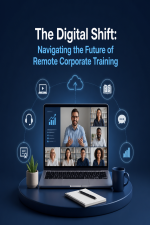
The Digital Shift
Navigating the Future of Remote Corporate Training
The landscape of corporate training has undergone a significant transformation in recent years, driven by advances in technology and changes in workforce demographics. The shift toward digital platforms and remote learning environments has made training more accessible and flexible than ever before. This eBook aims to explore the nuances of this digital shift and provide insights into how organizations can effectively navigate the future of remote corporate training.
The Rise of Remote Corporate Training
The adoption of remote corporate training can be attributed to several factors, including the globalization of the workforce, the need for continuous learning, and the impact of unforeseen events such as the COVID-19 pandemic. Organizations have realized that traditional training methods are often limited in scope and effectiveness, leading to a growing demand for innovative training solutions.
- Global Workforce: As companies expand their operations across borders, the need for training solutions that cater to a geographically dispersed workforce has become more pressing.
- Continuous Learning: The rapid pace of technological advancement necessitates ongoing training to keep employees updated with the latest skills and knowledge.
- Adverse Global Events: Situations like the pandemic have forced organizations to pivot quickly to remote training, highlighting the need for adaptable training methods.
Key Components of Effective Remote Training
To ensure the success of remote corporate training initiatives, organizations must focus on several key components:
- Engaging Content: Training materials should be interactive, relevant, and tailored to the needs of the learners. This can include videos, quizzes, and gamified elements that make learning enjoyable and impactful.
- Robust Technology Platforms: The choice of technology plays a critical role in the effectiveness of remote training. Organizations should invest in reliable Learning Management Systems (LMS) that facilitate easy access to training materials, track progress, and foster communication among participants.
- Instructor Support: The role of trainers and facilitators is vital in a remote training environment. Providing ongoing support and guidance can help learners navigate challenges and enhance their overall experience.
- Feedback Mechanisms: Constructive feedback is essential for continuous improvement. Organizations should implement systems for gathering feedback from participants to refine training programs and address any areas of concern.
Challenges in Remote Training
While the benefits of remote corporate training are significant, there are also challenges that organizations must address:
- Engagement Levels: Maintaining engagement in a virtual environment can be difficult, as distractions are prevalent. It is crucial to employ strategies that keep learners focused and motivated.
- Technology Barriers: Not all employees may have the same level of access to technology or may be comfortable using digital tools. Organizations must provide adequate training and resources to ensure all employees can participate in remote training.
- Assessment and Measurement: Evaluating the effectiveness of remote training can be more complex than traditional methods. Organizations need to establish clear metrics to assess learner outcomes and the overall impact on performance.
Future Trends in Remote Corporate Training
As technology continues to evolve, the future of remote corporate training will likely be shaped by several emerging trends:
- Artificial Intelligence: AI can personalize learning experiences by analyzing individual performance and tailoring content to meet specific needs.
- Virtual Reality and Augmented Reality: Immersive technologies are set to transform training by providing realistic simulations that enhance learning retention and practical application.
- Microlearning: Short, focused learning modules are gaining popularity, allowing employees to learn at their own pace and integrate training into their busy schedules.
In conclusion, the digital shift in corporate training presents both opportunities and challenges. Organizations that embrace innovative remote training solutions will be better equipped to develop a skilled and adaptable workforce. By understanding the key components, addressing challenges, and staying abreast of future trends, businesses can navigate this evolving landscape effectively.
Access This eBook and a Growing Digital Product Library
This eBook is included with the Master Resale Rights Club membership. Members receive access to thousands of Master Resale Rights ebooks and digital resources, with new products being added to the library regularly.
Whether you are looking to:
- Resell digital products and keep 100% of the profits
- Build your own digital product collection
- Offer bonuses to your customers or subscribers
- Provide additional value to your membership site members
our growing library can help you expand your content offerings without creating everything from scratch.
Premium Membership
Get instant access to this eBook plus 3800+ digital products for a single low yearly fee.
Join Membership – $37 / YearFree Membership
Want to explore the library first? Join our free membership and receive a selection of complimentary MRR ebooks while staying informed about new product additions.
Create Free AccountFranchisee Access
Website owners and platform builders can offer products from our library directly on their own websites through our API-powered Franchisee program, without manually downloading, uploading, or managing files.
Explore Franchisee Access – $25 / MonthNot sure which option is right? Membership is ideal for individuals and resellers. Franchisee access is designed for website owners and businesses.
Product Generation Note: This eBook was researched and drafted using advanced Artificial Intelligence (AI) and curated by the Master Resale Rights Club editorial team. We use AI to provide our members with the most current 2026 market insights and high-frequency content updates while maintaining our standard of quality.