


October 2026 Product
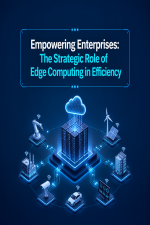
Empowering Enterprises
The Strategic Role of Edge Computing in Efficiency
In an age where digital transformation is paramount, enterprises are constantly seeking innovative solutions to enhance operational efficiency. Among the myriad of technological advancements, edge computing has emerged as a critical player in redefining how data is processed and utilized. By decentralizing computing resources closer to the data source, edge computing minimizes latency and optimizes bandwidth, ultimately driving performance improvements across various sectors.
Understanding the strategic role of edge computing requires a comprehensive look at its fundamental characteristics and how it integrates into existing IT infrastructures. Edge computing allows data processing to occur near the source of data generation rather than relying on a centralized data center. This approach not only accelerates response times but also reduces the volume of data transmitted over networks, leading to cost savings and enhanced system reliability.
Key Benefits of Edge Computing
Edge computing offers several benefits that empower enterprises to enhance their operational efficiency:
- Reduced Latency: By processing data closer to the source, edge computing minimizes latency, enabling real-time data analysis and quicker decision-making.
- Bandwidth Efficiency: With less data being sent to centralized data centers, enterprises can optimize their bandwidth usage, leading to lower costs and improved performance.
- Enhanced Security: By keeping sensitive data closer to its source, edge computing reduces the risk of data breaches, making it easier for enterprises to comply with regulatory requirements.
- Scalability: Edge computing solutions can be easily scaled to accommodate growing data needs, allowing enterprises to adapt to changing demands without significant infrastructure investments.
- Improved Reliability: In scenarios where connectivity to a central data center may be unstable, edge computing ensures that critical operations can continue without interruption.
Use Cases Across Industries
Various industries are recognizing the potential of edge computing to transform their operations. Some notable use cases include:
- Manufacturing: In smart factories, edge computing enables real-time monitoring and analytics of equipment performance, facilitating predictive maintenance and minimizing downtime.
- Healthcare: Hospitals and clinics can leverage edge computing for real-time patient monitoring, ensuring timely interventions and enhancing patient care through immediate data analysis.
- Retail: Retailers can utilize edge computing to analyze customer behavior in real time, optimizing inventory management and personalizing customer experiences.
- Transportation: Edge computing supports autonomous vehicles and fleet management systems by processing vast amounts of data from sensors and cameras, improving safety and efficiency.
- Smart Cities: Municipalities can implement edge computing for traffic management, waste management, and public safety, leading to improved urban living conditions.
Challenges and Considerations
While the benefits of edge computing are significant, enterprises must also be aware of the challenges associated with its implementation:
- Integration Complexity: Integrating edge computing solutions with existing systems can be complex, requiring careful planning and execution.
- Data Management: Managing data generated at the edge necessitates robust data governance policies to ensure quality and compliance.
- Security Risks: The distributed nature of edge computing can introduce new security vulnerabilities that enterprises must address through comprehensive security strategies.
Conclusion
Edge computing represents a transformative shift in how enterprises approach data processing and operational efficiency. By decentralizing computing resources, organizations can achieve faster response times, enhanced security, and improved reliability, making it a vital component of modern IT strategies. As industries continue to evolve, embracing edge computing will empower enterprises to stay competitive and responsive in a rapidly changing digital landscape.
Access This eBook and a Growing Digital Product Library
This eBook is included with the Master Resale Rights Club membership. Members receive access to thousands of Master Resale Rights ebooks and digital resources, with new products being added to the library regularly.
Whether you are looking to:
- Resell digital products and keep 100% of the profits
- Build your own digital product collection
- Offer bonuses to your customers or subscribers
- Provide additional value to your membership site members
our growing library can help you expand your content offerings without creating everything from scratch.
Premium Membership
Get instant access to this eBook plus 3500+ digital products for a single low yearly fee.
Join Membership – $37 / YearFree Membership
Want to explore the library first? Join our free membership and receive a selection of complimentary MRR ebooks while staying informed about new product additions.
Create Free AccountFranchisee Access
Website owners and platform builders can offer products from our library directly on their own websites through our API-powered Franchisee program, without manually downloading, uploading, or managing files.
Explore Franchisee Access – $25 / MonthNot sure which option is right? Membership is ideal for individuals and resellers. Franchisee access is designed for website owners and businesses.
Product Generation Note: This eBook was researched and drafted using advanced Artificial Intelligence (AI) and curated by the Master Resale Rights Club editorial team. We use AI to provide our members with the most current 2026 market insights and high-frequency content updates while maintaining our standard of quality.