


October 2026 Product
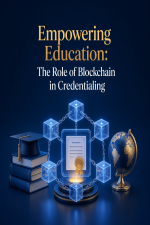
Empowering Education
The Role of Blockchain in Credentialing
In an era defined by rapid technological advancements, the education sector is increasingly turning to innovative solutions to enhance the credibility and efficiency of its credentialing processes. One of the most promising technologies in this regard is blockchain. Originally developed as the underlying technology for cryptocurrencies, blockchain has emerged as a powerful tool for ensuring transparency, security, and immutability in various fields, including education. This eBook aims to explore the multifaceted role of blockchain in credentialing, providing insights into how it can transform the way educational credentials are issued, verified, and maintained.
Understanding Blockchain Technology
Blockchain is a decentralized digital ledger that securely records transactions across a network of computers. Its key characteristics include:
- Decentralization: Unlike traditional databases controlled by a single entity, blockchain operates on a distributed network, minimizing the risk of data manipulation.
- Immutability: Once information is recorded on the blockchain, it cannot be altered or deleted, ensuring the integrity of the data.
- Transparency: All transactions are visible to participants in the network, fostering trust and accountability.
The Current Challenges in Credentialing
Traditional credentialing processes face numerous challenges, including:
- Fraudulent Credentials: The prevalence of fake degrees and certificates undermines the value of legitimate educational achievements.
- Time-Consuming Verification: Employers and institutions often spend considerable time verifying the authenticity of educational credentials through cumbersome processes.
- Lack of Standardization: Different institutions may have varying procedures for issuing and verifying credentials, leading to inconsistencies and confusion.
Blockchain as a Solution
Blockchain technology offers several advantages that can address the challenges associated with traditional credentialing methods:
Enhanced Security and Fraud Prevention
By utilizing blockchain, educational institutions can issue digital credentials that are securely stored and easily verifiable. Each credential is linked to a unique cryptographic hash, making it nearly impossible to forge or alter. This security feature significantly reduces the risk of fraudulent credentials entering the job market.
Streamlined Verification Processes
Employers can access an individual's credentials directly from the blockchain, allowing for instant verification without the need for lengthy background checks. This efficiency not only saves time but also fosters a more trustworthy hiring process.
Interoperability and Standardization
With blockchain, educational institutions can create standardized digital credentials that are universally accepted. This interoperability allows learners to carry their credentials across different platforms, enhancing their mobility and opportunities in the workforce.
Real-World Applications of Blockchain in Credentialing
Several institutions and organizations are already leveraging blockchain technology in their credentialing processes:
- MIT Media Lab: The Massachusetts Institute of Technology has implemented a blockchain-based system to issue digital diplomas, allowing graduates to share their credentials securely and easily.
- Learning Machine: This company collaborates with educational institutions to create blockchain-based digital credentials, promoting transparency and accessibility in credential verification.
- Open University: The Open University in the UK has explored using blockchain technology to issue secure digital records of student achievements, enhancing the credibility of their credentials.
Conclusion
As the landscape of education continues to evolve, the integration of blockchain technology in credentialing processes presents a significant opportunity for improvement. By enhancing security, streamlining verification, and promoting standardization, blockchain holds the potential to empower educators, learners, and employers alike. As more institutions recognize the benefits of this technology, the future of credentialing in education may become more secure, efficient, and reliable, ultimately leading to a more trusted educational ecosystem.
Access This eBook and a Growing Digital Product Library
This eBook is included with the Master Resale Rights Club membership. Members receive access to thousands of Master Resale Rights ebooks and digital resources, with new products being added to the library regularly.
Whether you are looking to:
- Resell digital products and keep 100% of the profits
- Build your own digital product collection
- Offer bonuses to your customers or subscribers
- Provide additional value to your membership site members
our growing library can help you expand your content offerings without creating everything from scratch.
Premium Membership
Get instant access to this eBook plus 3500+ digital products for a single low yearly fee.
Join Membership – $37 / YearFree Membership
Want to explore the library first? Join our free membership and receive a selection of complimentary MRR ebooks while staying informed about new product additions.
Create Free AccountFranchisee Access
Website owners and platform builders can offer products from our library directly on their own websites through our API-powered Franchisee program, without manually downloading, uploading, or managing files.
Explore Franchisee Access – $25 / MonthNot sure which option is right? Membership is ideal for individuals and resellers. Franchisee access is designed for website owners and businesses.
Product Generation Note: This eBook was researched and drafted using advanced Artificial Intelligence (AI) and curated by the Master Resale Rights Club editorial team. We use AI to provide our members with the most current 2026 market insights and high-frequency content updates while maintaining our standard of quality.