


August 2026 Product
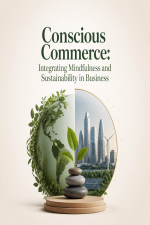
Conscious Commerce
Integrating Mindfulness and Sustainability in Business
In an era where consumers are increasingly aware of the impact of their purchasing decisions, the concept of Conscious Commerce has emerged as a vital framework for businesses seeking to align their operations with ethical and sustainable practices. This eBook delves into the principles of Conscious Commerce, emphasizing the importance of mindfulness and sustainability as integral components of modern business strategy.
The Essence of Conscious Commerce
Conscious Commerce is rooted in the belief that businesses should not only focus on profit but also consider the broader implications of their operations on society and the environment. This holistic approach encourages companies to adopt practices that support ethical considerations, social responsibility, and ecological sustainability. By integrating mindfulness into business operations, organizations can create a positive impact while fostering a loyal customer base that shares similar values.
Mindfulness in Business
Mindfulness in a business context refers to the practice of being fully aware and present in the moment, leading to more intentional decision-making processes. This can benefit organizations in several ways:
- Enhanced Employee Well-Being: Mindful practices can reduce stress and enhance overall employee satisfaction, leading to improved productivity and retention.
- Improved Decision-Making: Mindfulness promotes clearer thinking and better emotional regulation, enabling leaders to make more informed and ethical decisions.
- Stronger Customer Relationships: By understanding customer needs and values, businesses can forge deeper connections with their audience, resulting in increased loyalty.
Principles of Sustainability
Sustainability in business refers to adopting practices that minimize environmental impact and promote social equity. Key principles include:
- Resource Efficiency: Implementing strategies that reduce waste and conserve natural resources is critical for sustainable business practices.
- Ethical Sourcing: Companies should prioritize sourcing materials and products from suppliers who adhere to ethical labor practices and environmental stewardship.
- Community Engagement: Actively engaging with local communities fosters goodwill and supports social initiatives, further solidifying a company's commitment to sustainability.
Implementing Conscious Commerce in Business Practices
For businesses looking to embrace Conscious Commerce, the following steps can serve as a guideline:
- Conduct a Sustainability Audit: Assess current practices and identify areas for improvement related to environmental and social responsibility.
- Set Clear Goals: Establish measurable objectives for enhancing mindfulness and sustainability within the organization.
- Engage Employees: Foster a culture of mindfulness and sustainability by involving employees in decision-making processes and encouraging feedback.
- Communicate Transparently: Share progress and challenges regarding sustainability initiatives with stakeholders to build trust and accountability.
- Evaluate Impact: Regularly review the impact of Conscious Commerce initiatives on the business and the community to ensure continuous improvement.
The Future of Conscious Commerce
As global awareness of social and environmental issues continues to rise, the adoption of Conscious Commerce principles is likely to become increasingly essential for businesses. Companies that prioritize mindfulness and sustainability are not only contributing to a better world but are also positioning themselves for long-term success in a competitive marketplace. By integrating these values into their core operations, businesses can cultivate a brand identity that resonates with conscious consumers, thus ensuring their relevance and resilience in the future.
In conclusion, Conscious Commerce stands as an imperative framework for modern business practices. By fostering mindfulness and committing to sustainability, organizations can create a positive impact that extends beyond their balance sheets, ultimately contributing to a more equitable and sustainable world.
Access This eBook and a Growing Digital Product Library
This eBook is included with the Master Resale Rights Club membership. Members receive access to thousands of Master Resale Rights ebooks and digital resources, with new products being added to the library regularly.
Whether you are looking to:
- Resell digital products and keep 100% of the profits
- Build your own digital product collection
- Offer bonuses to your customers or subscribers
- Provide additional value to your membership site members
our growing library can help you expand your content offerings without creating everything from scratch.
Premium Membership
Get instant access to this eBook plus 3500+ digital products for a single low yearly fee.
Join Membership – $37 / YearFree Membership
Want to explore the library first? Join our free membership and receive a selection of complimentary MRR ebooks while staying informed about new product additions.
Create Free AccountFranchisee Access
Website owners and platform builders can offer products from our library directly on their own websites through our API-powered Franchisee program, without manually downloading, uploading, or managing files.
Explore Franchisee Access – $25 / MonthNot sure which option is right? Membership is ideal for individuals and resellers. Franchisee access is designed for website owners and businesses.
Product Generation Note: This eBook was researched and drafted using advanced Artificial Intelligence (AI) and curated by the Master Resale Rights Club editorial team. We use AI to provide our members with the most current 2026 market insights and high-frequency content updates while maintaining our standard of quality.