


September 2026 Product
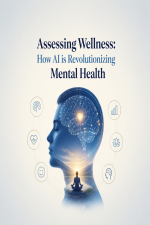
Assessing Wellness
How AI is Revolutionizing Mental Health
The landscape of mental health care is undergoing a significant transformation, driven by the integration of artificial intelligence (AI) technologies. As society increasingly recognizes the importance of mental wellness, innovative solutions are emerging that leverage AI to enhance assessment, diagnosis, and treatment. This eBook delves into the various facets of how AI is reshaping the approach to mental health, making it more accessible, efficient, and personalized.
The Role of AI in Mental Health Assessment
Traditionally, mental health assessments relied heavily on self-reported questionnaires and clinician evaluations. While these methods remain important, they often face challenges such as subjectivity and variability in interpretation. AI is changing this dynamic by introducing data-driven approaches that aim to provide more accurate and timely assessments.
- Data Analysis: AI algorithms can analyze vast amounts of data, including patterns in speech, writing, and behavioral trends. This capability allows for a more comprehensive understanding of an individual's mental health status.
- Predictive Analytics: By utilizing machine learning, AI can identify risk factors and predict potential mental health issues before they escalate. This proactive approach can lead to earlier interventions and better outcomes.
- Standardization: AI can help standardize assessment processes, reducing variability and ensuring that patients receive consistent evaluations regardless of the clinician’s interpretation.
Enhancing Treatment Plans with AI
AI's impact does not stop at assessment; it extends into the realm of treatment as well. By harnessing machine learning and data analytics, health professionals can develop more tailored treatment plans that align with individual needs.
- Personalized Recommendations: AI systems can analyze a patient’s history, preferences, and response to previous treatments, enabling the creation of customized therapy plans that maximize effectiveness.
- Real-Time Monitoring: AI-powered applications can track patients' progress through various metrics, facilitating timely adjustments to treatment plans as necessary. This continuous feedback loop can significantly improve adherence to treatment.
- Augmented Therapy: AI technologies, such as chatbots and virtual therapy platforms, provide additional support outside of traditional therapy sessions. These tools can offer coping strategies and resources to users whenever needed.
Challenges and Considerations
Despite the promising advancements AI brings to mental health care, several challenges and ethical considerations must be addressed. Issues such as data privacy, the potential for algorithmic bias, and the need for human oversight are critical discussions within the field.
- Data Privacy: As AI systems rely on personal data to function effectively, ensuring the security and privacy of this information is paramount. Patients must have confidence that their data is handled responsibly.
- Algorithmic Bias: AI systems can inadvertently reflect biases present in the data they are trained on. It is essential for developers to recognize and mitigate these biases to provide fair and equitable mental health care.
- Human Oversight: While AI can offer substantial support, it should complement, not replace, the human touch in mental health care. Clinicians must remain involved in the treatment process to ensure a holistic approach to patient care.
The Future of AI in Mental Health
The future of mental health care is increasingly intertwined with AI technologies. As research and development continue, we can expect further advancements that will refine the assessment and treatment processes. Collaboration among technologists, mental health professionals, and policymakers will be crucial in shaping a future where AI serves as a powerful ally in promoting mental wellness.
In conclusion, the integration of artificial intelligence in mental health care is not merely a passing trend but a fundamental shift that holds the potential to transform how we assess and treat mental health issues. By embracing these innovations thoughtfully and ethically, society can move closer to a future where mental wellness is attainable for all.
Access This eBook and a Growing Digital Product Library
This eBook is included with the Master Resale Rights Club membership. Members receive access to thousands of Master Resale Rights ebooks and digital resources, with new products being added to the library regularly.
Whether you are looking to:
- Resell digital products and keep 100% of the profits
- Build your own digital product collection
- Offer bonuses to your customers or subscribers
- Provide additional value to your membership site members
our growing library can help you expand your content offerings without creating everything from scratch.
Premium Membership
Get instant access to this eBook plus 3500+ digital products for a single low yearly fee.
Join Membership – $37 / YearFree Membership
Want to explore the library first? Join our free membership and receive a selection of complimentary MRR ebooks while staying informed about new product additions.
Create Free AccountFranchisee Access
Website owners and platform builders can offer products from our library directly on their own websites through our API-powered Franchisee program, without manually downloading, uploading, or managing files.
Explore Franchisee Access – $25 / MonthNot sure which option is right? Membership is ideal for individuals and resellers. Franchisee access is designed for website owners and businesses.
Product Generation Note: This eBook was researched and drafted using advanced Artificial Intelligence (AI) and curated by the Master Resale Rights Club editorial team. We use AI to provide our members with the most current 2026 market insights and high-frequency content updates while maintaining our standard of quality.