


July 2026 Product
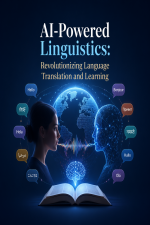
AI-Powered Linguistics
Introduction to AI in Linguistics
The integration of artificial intelligence (AI) into the field of linguistics has sparked a transformative movement that enhances both language translation and language learning. This eBook, "AI-Powered Linguistics," dives into the intersection of technology and language, exploring how advanced algorithms and machine learning techniques are reshaping our understanding of language capabilities.
The Evolution of Language Translation
The traditional processes of language translation often relied heavily on human translators, whose skills and expertise varied significantly. With the advent of AI, particularly through natural language processing (NLP), the landscape of translation has undergone significant enhancement. AI systems can now analyze vast datasets, recognize patterns, and produce translations that are increasingly accurate and contextually relevant.
- Machine Learning Algorithms: These algorithms are designed to learn from data, improving their translation capabilities over time. This continuous learning process allows AI to adapt to new languages, dialects, and slang.
- Neural Machine Translation (NMT): NMT represents a significant advancement in translation technology. By using neural networks, these systems can grasp the nuances of language and produce more fluent and natural translations compared to earlier models.
- Contextual Understanding: AI systems are now capable of understanding context, which is crucial for translating idiomatic expressions and culturally relevant phrases that may not have direct equivalents in other languages.
Impact on Language Learning
In addition to revolutionizing translation, AI is also making strides in the realm of language learning. Learners now have access to personalized learning experiences tailored to their individual needs and preferences. This shift is largely driven by adaptive learning technologies that utilize AI to assess a learner's progress and adjust content accordingly.
- Personalized Learning Paths: AI can analyze a student's strengths and weaknesses in real-time, providing customized exercises and resources that cater specifically to their learning style.
- Interactive Learning Environments: With AI-powered applications, learners can engage in immersive experiences, such as conversational practice with virtual tutors or interactive simulations that mimic real-life scenarios.
- Instant Feedback: AI tools enable learners to receive immediate feedback on their pronunciation, grammar, and vocabulary usage, facilitating quicker improvement and greater confidence in language skills.
Challenges and Considerations
While the benefits of AI in linguistics are evident, several challenges must be acknowledged. Issues such as data privacy, the potential for bias in AI algorithms, and the need for human oversight in critical translation tasks are important considerations in the ongoing development of AI technologies.
- Bias in Language Processing: AI systems are trained on large datasets, which can sometimes reflect societal biases. It is crucial for developers to address these biases to ensure fair and equitable language services.
- Ethical Considerations: As AI systems become more integrated into language services, ethical implications surrounding data usage and the potential displacement of human professionals must be carefully evaluated.
- Maintaining Human Expertise: Despite advancements in AI, the role of human translators and language educators remains vital. Human nuance, cultural understanding, and emotional intelligence are irreplaceable elements in language interactions.
Conclusion
The emergence of AI-powered linguistics is setting the stage for significant advancements in both language translation and learning. By harnessing the capabilities of AI, we can enhance communication across cultural barriers and create more efficient and effective learning environments. As this field continues to evolve, it will be essential to balance technological innovation with ethical considerations and human insight to ensure a future where language remains a bridge, not a barrier.
Access This eBook and a Growing Digital Product Library
This eBook is included with the Master Resale Rights Club membership. Members receive access to thousands of Master Resale Rights ebooks and digital resources, with new products being added to the library regularly.
Whether you are looking to:
- Resell digital products and keep 100% of the profits
- Build your own digital product collection
- Offer bonuses to your customers or subscribers
- Provide additional value to your membership site members
our growing library can help you expand your content offerings without creating everything from scratch.
Premium Membership
Get instant access to this eBook plus 3500+ digital products for a single low yearly fee.
Join Membership – $37 / YearFree Membership
Want to explore the library first? Join our free membership and receive a selection of complimentary MRR ebooks while staying informed about new product additions.
Create Free AccountFranchisee Access
Website owners and platform builders can offer products from our library directly on their own websites through our API-powered Franchisee program, without manually downloading, uploading, or managing files.
Explore Franchisee Access – $25 / MonthNot sure which option is right? Membership is ideal for individuals and resellers. Franchisee access is designed for website owners and businesses.
Product Generation Note: This eBook was researched and drafted using advanced Artificial Intelligence (AI) and curated by the Master Resale Rights Club editorial team. We use AI to provide our members with the most current 2026 market insights and high-frequency content updates while maintaining our standard of quality.