


July 2026 Product
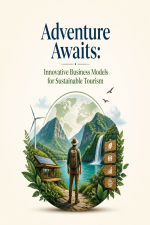
Adventure Awaits: Innovative Business Models for Sustainable Tourism
The tourism industry is at a crucial juncture, facing challenges that range from environmental degradation to cultural commodification. The concept of sustainable tourism has emerged as a viable solution, offering a path that not only prioritizes environmental stewardship but also fosters economic development and social equity. This eBook, "Adventure Awaits," delves into innovative business models that embody these principles, providing readers with practical insights into how to forge a more sustainable future in the tourism sector.
The Importance of Sustainable Tourism
Sustainable tourism is defined by its ability to serve the needs of present tourists while protecting and enhancing opportunities for the future. This approach acknowledges the fragile nature of tourist destinations and aims to minimize the negative impacts of tourism on the environment and local communities. By focusing on sustainable practices, the tourism industry can support biodiversity, preserve cultural heritage, and contribute to the economic well-being of local populations.
Innovative Business Models in Sustainable Tourism
As the demand for sustainable travel experiences grows, businesses in the tourism sector are adopting innovative models that not only attract eco-conscious travelers but also contribute positively to the environment and local communities. Below are several noteworthy business models that exemplify this shift:
- Community-Based Tourism (CBT): This model emphasizes the active involvement of local communities in tourism activities. By engaging local residents in decision-making processes and allowing them to share their culture and environment with visitors, CBT creates a more authentic experience while ensuring that tourism revenue benefits the community directly.
- Eco-Lodging and Green Accommodations: Eco-lodges and green hotels focus on minimizing their environmental footprint through sustainable practices such as energy efficiency, waste reduction, and water conservation. These accommodations often incorporate local materials and employ sustainable building practices, offering guests a chance to enjoy nature without compromising it.
- Slow Travel: The slow travel movement encourages travelers to immerse themselves in a destination, rather than rushing through multiple sites. This model promotes deeper engagement with local cultures and environments, fostering connections between travelers and the places they visit while reducing the carbon footprint associated with transportation.
- Experiential Travel: This model prioritizes unique, hands-on experiences that connect travelers with local traditions, crafts, and cuisines. By focusing on authentic experiences, businesses can differentiate themselves in a crowded market while supporting local artisans and cultural practices.
- Carbon Offset Programs: Many tourism businesses are now implementing carbon offset programs to compensate for the emissions generated by travel. These programs often fund renewable energy projects or reforestation initiatives, allowing travelers to contribute positively to the environment while pursuing their adventures.
Challenges and Opportunities
While the shift towards sustainable tourism presents numerous opportunities, it is not without challenges. Businesses must navigate regulatory frameworks, consumer expectations, and the balance between profitability and sustainability. However, the increasing awareness and demand for responsible travel create a fertile ground for innovation. Businesses that embrace sustainable practices not only stand to benefit from a growing market but also contribute to the preservation of natural and cultural resources.
Conclusion
"Adventure Awaits" serves as a comprehensive guide for those interested in exploring sustainable tourism's innovative business models. By understanding and adopting these practices, tourism professionals can play a pivotal role in shaping a more sustainable future. This eBook encourages readers to think critically about their roles in the industry and empowers them to make informed decisions that benefit both their businesses and the planet.
Access This eBook and a Growing Digital Product Library
This eBook is included with the Master Resale Rights Club membership. Members receive access to thousands of Master Resale Rights ebooks and digital resources, with new products being added to the library regularly.
Whether you are looking to:
- Resell digital products and keep 100% of the profits
- Build your own digital product collection
- Offer bonuses to your customers or subscribers
- Provide additional value to your membership site members
our growing library can help you expand your content offerings without creating everything from scratch.
Premium Membership
Get instant access to this eBook plus 3500+ digital products for a single low yearly fee.
Join Membership – $37 / YearFree Membership
Want to explore the library first? Join our free membership and receive a selection of complimentary MRR ebooks while staying informed about new product additions.
Create Free AccountFranchisee Access
Website owners and platform builders can offer products from our library directly on their own websites through our API-powered Franchisee program, without manually downloading, uploading, or managing files.
Explore Franchisee Access – $25 / MonthNot sure which option is right? Membership is ideal for individuals and resellers. Franchisee access is designed for website owners and businesses.
Product Generation Note: This eBook was researched and drafted using advanced Artificial Intelligence (AI) and curated by the Master Resale Rights Club editorial team. We use AI to provide our members with the most current 2026 market insights and high-frequency content updates while maintaining our standard of quality.